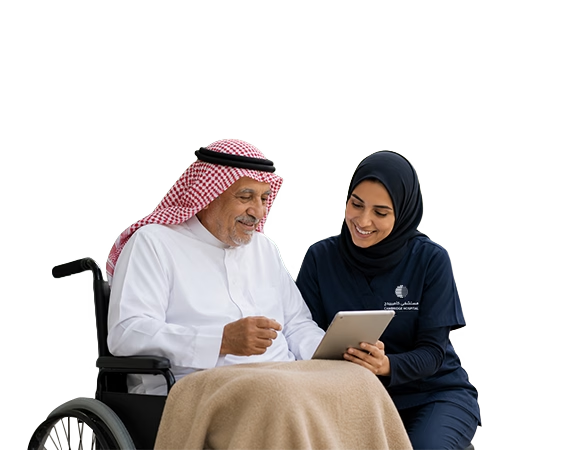
Geriatric care is specialist care for older adults, whose health needs are often more complex and interconnected than those of younger patients.
It looks past any single illness to consider the whole person — medical conditions, mobility, memory, mood, nutrition, and independence — and brings all of it together in one plan.
The aim is not simply to treat illness, but to help older adults live as fully and comfortably as their health allows.
Older patients often live with several conditions at once — heart disease, diabetes, high blood pressure, joint or bone problems, and the after-effects of a stroke or a fall. Treating each of these in isolation can do more harm than good.
Our team takes an integrated view, weighing each condition and each medication carefully so that treatments work with one another rather than against, and the patient feels the benefit as a whole.
Recovery from a neurological condition depends on a coordinated team. Depending on each patient’s needs, the program may bring together:
- Neurologist / neurosurgeon — diagnosing and medically managing conditions of the nervous system
- Physiatrist (rehabilitation physician) — leading and directing the rehabilitation plan
- Physical therapist — rebuilding movement, strength, and mobility
- Occupational therapist — restoring the skills of everyday living
- Speech and language therapist — recovering speech, communication, and swallowing
- Neuropsychologist / psychiatrist — supporting cognition, mood, and behavior
- Case manager — coordinating the care journey and planning for discharge
- And, where needed: social worker, recreational therapist, vocational counselor, and chaplain
Stability is the bedrock of good geriatric care.
Our physicians and nurses keep a close watch on chronic conditions, review and simplify medications where they can, and act early when something changes — heading off the small problems that can escalate quickly in older patients.
This steady, watchful approach reduces avoidable hospital visits and keeps patients on an even keel.
Staying mobile is one of the biggest factors in an older adult’s independence and wellbeing.
Our physiotherapists and occupational therapists build strength, balance, and safe movement, and support recovery after falls, fractures, or a stroke — including the gentler, conservative approaches that suit older bodies.
Regaining the confidence to move safely can transform everyday life.
Later life brings emotional and cognitive challenges alongside the physical ones.
Our team stays alert to memory changes, low mood, anxiety, and the isolation that can come with illness, caring for patients with patience and sensitivity.
We build calm, familiar routines and a supportive environment that honor each person’s dignity and help them feel secure and valued.
Older patients do best in surroundings that feel warm and familiar, with the people they love nearby.
We keep families closely involved in care and decisions, welcome their presence, and support them as they care for their relative.
Our aim is a setting that feels less like an institution and more like a second home — comfortable, respectful, and genuinely human.
Every older adult deserves to be seen, respected, and cared for as a whole person.
We are here to help your loved one live their later years with as much comfort, dignity, and independence as possible — with your family alongside them every step of the way.