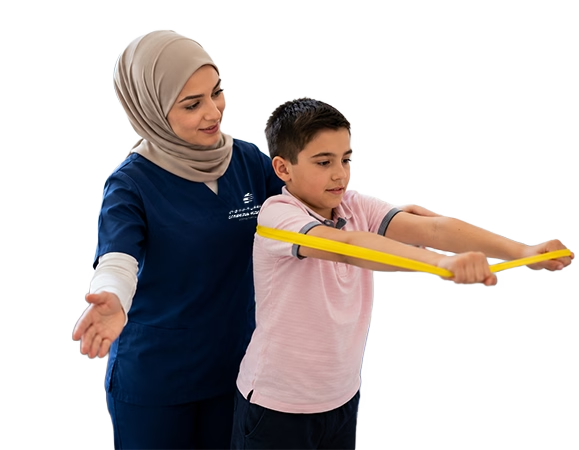
Pediatric neuromuscular rehabilitation is specialist therapy that helps children strengthen weak muscles, improve coordination, and enhance movement affected by neurological or muscular conditions.
It centers on building functional skills through gentle, personalized exercises and supportive care, helping each child move more freely, gain confidence, and enjoy a better quality of life.
Our pediatric neuromuscular rehabilitation supports children with a range of conditions, among them:
- Cerebral palsy — among the most common causes of motor disability in childhood, affecting movement, balance, and posture
- Dystrophin-related muscle diseases
- Myopathies — often congenital, genetic conditions affecting muscle groups that can cause muscle weakness and low muscle tone (hypotonia)
- Hypotonia (low muscle tone)
Spasticity is among the most common concerns in children with cerebral palsy, and managing it can be challenging — particularly with medication, since some treatments used in adults can carry risks for infants.
For this reason we recommend a long-term, individualized program, so that therapies and medications can be matched to the child’s age and the severity of their condition. Left unmanaged, spasticity can lead to complications such as contractures, joint subluxation or dislocation, movement and posture difficulties, muscle pain, reduced muscle growth, and stiffening of the soft tissues.
Approaches to managing spasticity may include:
- Botulinum toxin injection — to help manage focal (localized) spasticity by easing muscle contraction in targeted areas
- Intrathecal baclofen — an FDA-approved treatment for spasticity in children with cerebral palsy, delivered through a surgically implanted system that releases medication toward the spinal cord, often with milder side effects
Selective dorsal rhizotomy — a neurosurgical option that has shown promise in suitable cases. Rehabilitation is a critical part of recovery after any such procedure, and therapeutic services form a central, ongoing part of care.
Both physical therapy and occupational therapy can be valuable, and parents are often shown how to carry out certain therapies safely at home — including stretching exercises that help reduce muscle contractions, along with other techniques recommended by the care team.
Cerebral palsy can affect more than physical function — some children also experience cognitive impairment, from mild to severe. The functions that may be affected include behavior, communication, learning, literacy, memory, and sensory processing.
Our programs assess whether cognitive impairments are present and work to understand exactly how a child is affected, so the right support can be put in place. This may include access to specialist therapists and practical strategies such as:
- Visual cards to help children understand basic words
- Consistent, repeated exposure to lessons and information to aid retention
- Audio programs parents can play back to the child at home
- Sensory aids for children with sensory difficulties — such as clear acoustics at a comfortable volume, suitable lighting, and glasses to support vision
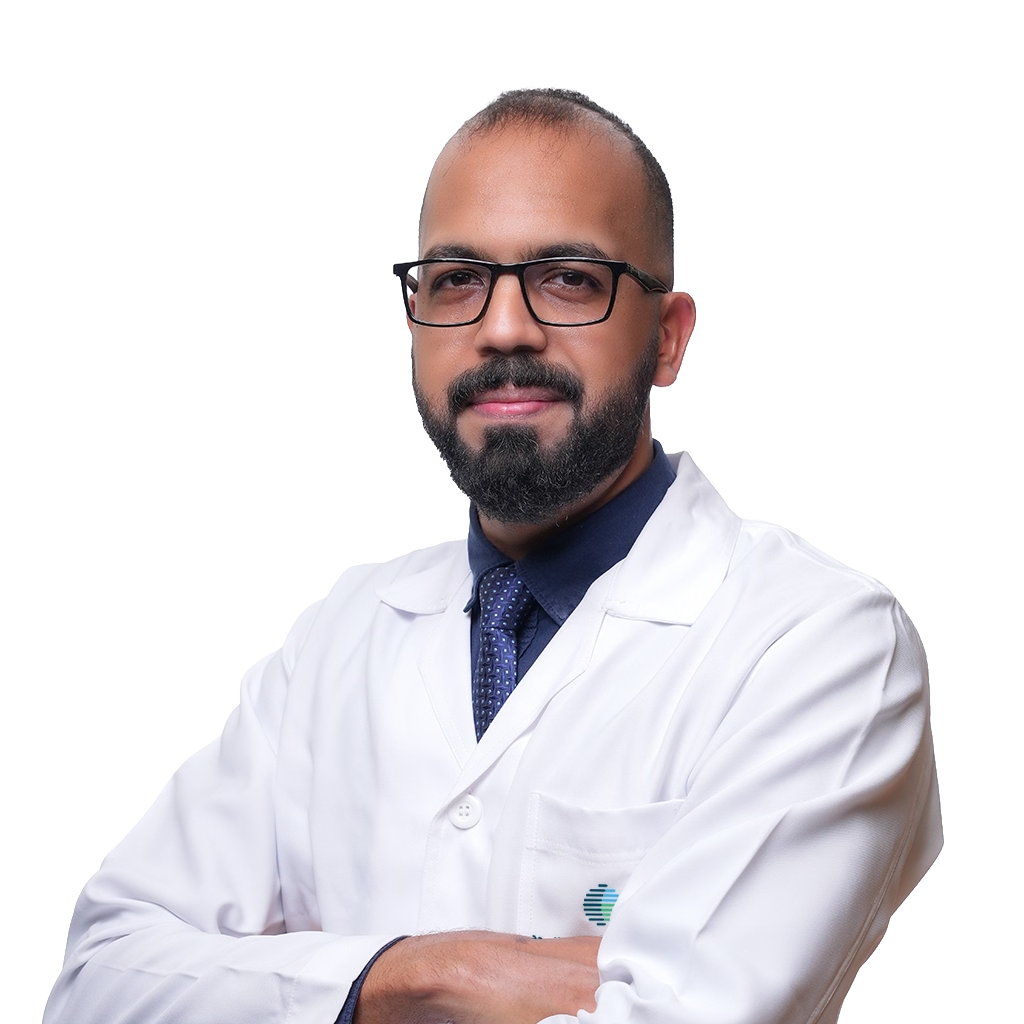
For infants with congenital myopathies, a neuromuscular specialist is part of the rehabilitation team. Regular follow-up matters — usually every quarter for infants under one year, and at least twice a year for children over one.
During these reviews, the specialist looks for signs of swallowing difficulties, respiratory problems, and challenges with early speech development. Parents play a vital role: they are encouraged to keep notes on their child’s progress and any notable issues, and to recognize when an earlier follow-up is needed rather than waiting for a scheduled appointment.
Neuromuscular disorders can leave lasting effects on a growing child — cognitive impairment can lead to learning difficulties, and conditions such as cerebral palsy can affect mobility.
Spotting potential neuromuscular conditions early is critical, and long-term rehabilitation programs have been shown to deliver positive results for infants, toddlers, and young children living with these disorders.
Early, specialist care can make a lasting difference to a child’s movement, development, and quality of life. Our pediatric neuromuscular rehabilitation teams are here to support your child and your family at every stage of the journey.
Your recovery matters to us, and we are with you throughout the journey. Care at Cambridge Hospital is one connected pathway across inpatient, outpatient, home, and in-school services — supporting every stage of recovery.